
Article Sidebar
Main Article Content
Abstract
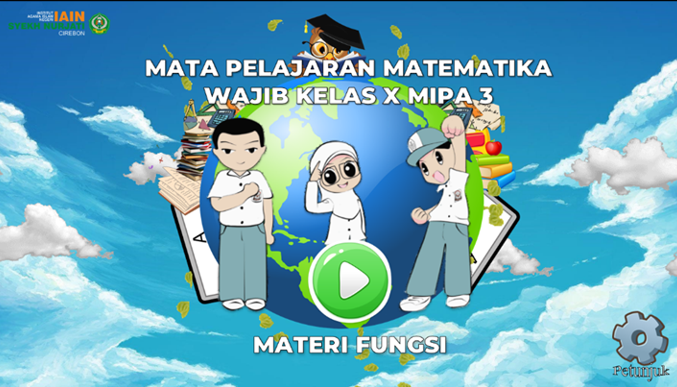
This study aims to develop and assess the feasibility of interactive multimedia-based mathematics teaching materials as practical and effective learning media. The background of this study is the monotonous and one-way learning method without technology-based teaching materials in the school. The study used the Research and Development (R&D) method with the ADDIE (Analyze, Design, Development, Implementation, Evaluation) model. The subjects of the study were students of class X MIPA 3 at one of the high schools in Cirebon Regency. Data collection techniques included questionnaires, observations, tests, and documentation, with qualitative descriptive analysis for observation and quantitative analysis for validation of teaching materials. The results showed that interactive multimedia teaching materials had a feasibility level of 86.72% (very feasible) based on expert validation, and a practicality level of 96.70% (very practical) based on teacher and student assessments. In addition, this study showed an increase in student learning achievement after using the teaching materials. The implication of this study is that interactive multimedia-based teaching materials can be applied in mathematics learning to improve understanding of abstract concepts, such as functions. Educators and developers of learning materials are advised to consider integrating similar learning materials into learning and improving training for teachers in the application of learning technologies.
Keywords
Article Details
References
- Adha, I., & Refianti, R. (2019). Pengembangan Lembar Kerja Siswa (LKS) Menggunakan Pendekatan Matematika Realistik Indonesia Berbasis Konteks Sumatera Selatan. Jurnal Pendidikan Matematika : Judika Education, 2(1), 1-10. https://doi.org/10.31539/judika.v2i1.729.
- Aprilian, V. M. (2024). Studi Literatur: Penggunaan Media Pembelajaran Geogebra terhadap Kemampuan Pemahaman Konsep Matematis Siswa. Jurnal Edukasi dan Sains Matematika (JES-MAT), 2, 89-100. https://doi.org/10.25134/jes-mat.v10i2.10099.
- Baharuddin, B., Indana, S., & Koestiari, T. (2017). Perangkat pembelajaran ipa berbasis inkuiri terbimbing dengan tugas proyek materi sistem ekskresi untuk menuntaskan hasil belajar peserta didik smp. Jurnal IPA & Pembelajaran IPA, 1(1), 81-97. https://doi.org/10.24815/jipi.v1i1.9574.
- Eliza, F., & Myori, D. E. (2017). Trainer pada pembelajaran dasar dan pengukuran listrik. Jurnal Teknologi Informasi & Pendidikan, 10(1), 12-22. 10.24036/tip.v10i1.40.
- Fadli, R., & Hakiki, M. (2020). Validitas media pembelajaran interaktif berbasis android pada mata pelajaran komputer dan jaringan dasar di sekolah menengah kejuruan. JIPTI: Jurnal Inovasi Pendidikan Teknologi Informasi, 09-15. https://doi.org/10.52060/pti.v1i1.302.
- Irmawan, Mering, A., & Astuti, I. (2022). The Development of Interactive Learning Multimedia Based on The Website for Mathematics’ Subject in Junior High School. JETL (Journal Of Education Teaching and Learning), 7(1), 108-118. http://dx.doi.org/10.26737/jetl.v7i1.2709
- Mayer, R. E. (2009). Multimedia learning (2nd ed.). New York: Cambridge University Press.
- Novianti, V., Priyo, D. U., & Dintarini, M. (2019). Development of Web-Based Interactive Learning Media on Lines and Angles Material in 7th grade of Junior High School. MEJ (Mathematics Education Journal), 3(1), 62-71. https://doi.org/10.22219/mej.v3i1.8422
- NCTM. (2020). Standards for the Preparation of Secondary Mathematics Teachers. National Council of Teachers of Mathematics (pp. 1-85). Inc.
- OECD. (2019). Programme for international student assessment (PISA) results from PISA 2018. Oecd: 1-104.
- Radiusman. (2020). Studi Literasi: Pemahaman Konsep Siswa Pada Pembelajaran Matematika. FIBONACCI: Jurnal Pendidikan Matematika dan Matematika, 1, 1-8. https://dx.doi.org/10.24853/fbc.6.1.1-8.
- Shoumi, A. Z. (2019). Peran multimedia dalam pendidikan pada aplikasi ruang guru. Prosiding Seminar Nasional Cendekiawan. 05, pp. 1-6. Jakarta Barat: Universitas Trisakti. https://doi.org/10.25105/semnas.v0i0.5809.
- Slavin, R. E. (1995). Cooperative learning: Theory, research, and practice. Boston: Allyn & Bacon.
- Susanti, T., & Aryani, I. K. (2021). Interactive Multimedia to Improve Mathematics Learning Outcomes in Elementary School Students. Proceedings of the 1st International Conference on Social Sciences (pp. 1-8). Purwokerto: EUDL (European Union Digital Library). http://dx.doi.org/10.4108/eai.19-7-2021.2312673
- Syakur, A. S., Purnamasari, R., & Kurnia, D. (2021). Analisis Kesulitan Belajar Siswa pada Mata Pelajaran Matematika. PEDAGOGIA: Jurnal Ilmiah Pendidikan, 2, 84-89. 10.55215/pedagogia.v13i2.4504.
- Sugiyono. (2015). Metode penelitian pendidikan. Bandung: Alfabeta.
- Yudhi, P., & Septiani, F. (2024). Pembelajaran dengan Etnomatematika dalam Meningkatkan Pemahaman Konsep Matematika Abstrak. Inovasi Pendidikan: Jurnal Pendidikan, 11(1), 59-64 https://doi.org/10.31869/ip.v11i1.5649.
References
Adha, I., & Refianti, R. (2019). Pengembangan Lembar Kerja Siswa (LKS) Menggunakan Pendekatan Matematika Realistik Indonesia Berbasis Konteks Sumatera Selatan. Jurnal Pendidikan Matematika : Judika Education, 2(1), 1-10. https://doi.org/10.31539/judika.v2i1.729.
Aprilian, V. M. (2024). Studi Literatur: Penggunaan Media Pembelajaran Geogebra terhadap Kemampuan Pemahaman Konsep Matematis Siswa. Jurnal Edukasi dan Sains Matematika (JES-MAT), 2, 89-100. https://doi.org/10.25134/jes-mat.v10i2.10099.
Baharuddin, B., Indana, S., & Koestiari, T. (2017). Perangkat pembelajaran ipa berbasis inkuiri terbimbing dengan tugas proyek materi sistem ekskresi untuk menuntaskan hasil belajar peserta didik smp. Jurnal IPA & Pembelajaran IPA, 1(1), 81-97. https://doi.org/10.24815/jipi.v1i1.9574.
Eliza, F., & Myori, D. E. (2017). Trainer pada pembelajaran dasar dan pengukuran listrik. Jurnal Teknologi Informasi & Pendidikan, 10(1), 12-22. 10.24036/tip.v10i1.40.
Fadli, R., & Hakiki, M. (2020). Validitas media pembelajaran interaktif berbasis android pada mata pelajaran komputer dan jaringan dasar di sekolah menengah kejuruan. JIPTI: Jurnal Inovasi Pendidikan Teknologi Informasi, 09-15. https://doi.org/10.52060/pti.v1i1.302.
Irmawan, Mering, A., & Astuti, I. (2022). The Development of Interactive Learning Multimedia Based on The Website for Mathematics’ Subject in Junior High School. JETL (Journal Of Education Teaching and Learning), 7(1), 108-118. http://dx.doi.org/10.26737/jetl.v7i1.2709
Mayer, R. E. (2009). Multimedia learning (2nd ed.). New York: Cambridge University Press.
Novianti, V., Priyo, D. U., & Dintarini, M. (2019). Development of Web-Based Interactive Learning Media on Lines and Angles Material in 7th grade of Junior High School. MEJ (Mathematics Education Journal), 3(1), 62-71. https://doi.org/10.22219/mej.v3i1.8422
NCTM. (2020). Standards for the Preparation of Secondary Mathematics Teachers. National Council of Teachers of Mathematics (pp. 1-85). Inc.
OECD. (2019). Programme for international student assessment (PISA) results from PISA 2018. Oecd: 1-104.
Radiusman. (2020). Studi Literasi: Pemahaman Konsep Siswa Pada Pembelajaran Matematika. FIBONACCI: Jurnal Pendidikan Matematika dan Matematika, 1, 1-8. https://dx.doi.org/10.24853/fbc.6.1.1-8.
Shoumi, A. Z. (2019). Peran multimedia dalam pendidikan pada aplikasi ruang guru. Prosiding Seminar Nasional Cendekiawan. 05, pp. 1-6. Jakarta Barat: Universitas Trisakti. https://doi.org/10.25105/semnas.v0i0.5809.
Slavin, R. E. (1995). Cooperative learning: Theory, research, and practice. Boston: Allyn & Bacon.
Susanti, T., & Aryani, I. K. (2021). Interactive Multimedia to Improve Mathematics Learning Outcomes in Elementary School Students. Proceedings of the 1st International Conference on Social Sciences (pp. 1-8). Purwokerto: EUDL (European Union Digital Library). http://dx.doi.org/10.4108/eai.19-7-2021.2312673
Syakur, A. S., Purnamasari, R., & Kurnia, D. (2021). Analisis Kesulitan Belajar Siswa pada Mata Pelajaran Matematika. PEDAGOGIA: Jurnal Ilmiah Pendidikan, 2, 84-89. 10.55215/pedagogia.v13i2.4504.
Sugiyono. (2015). Metode penelitian pendidikan. Bandung: Alfabeta.
Yudhi, P., & Septiani, F. (2024). Pembelajaran dengan Etnomatematika dalam Meningkatkan Pemahaman Konsep Matematika Abstrak. Inovasi Pendidikan: Jurnal Pendidikan, 11(1), 59-64 https://doi.org/10.31869/ip.v11i1.5649.