

Article Sidebar
Main Article Content
Abstract
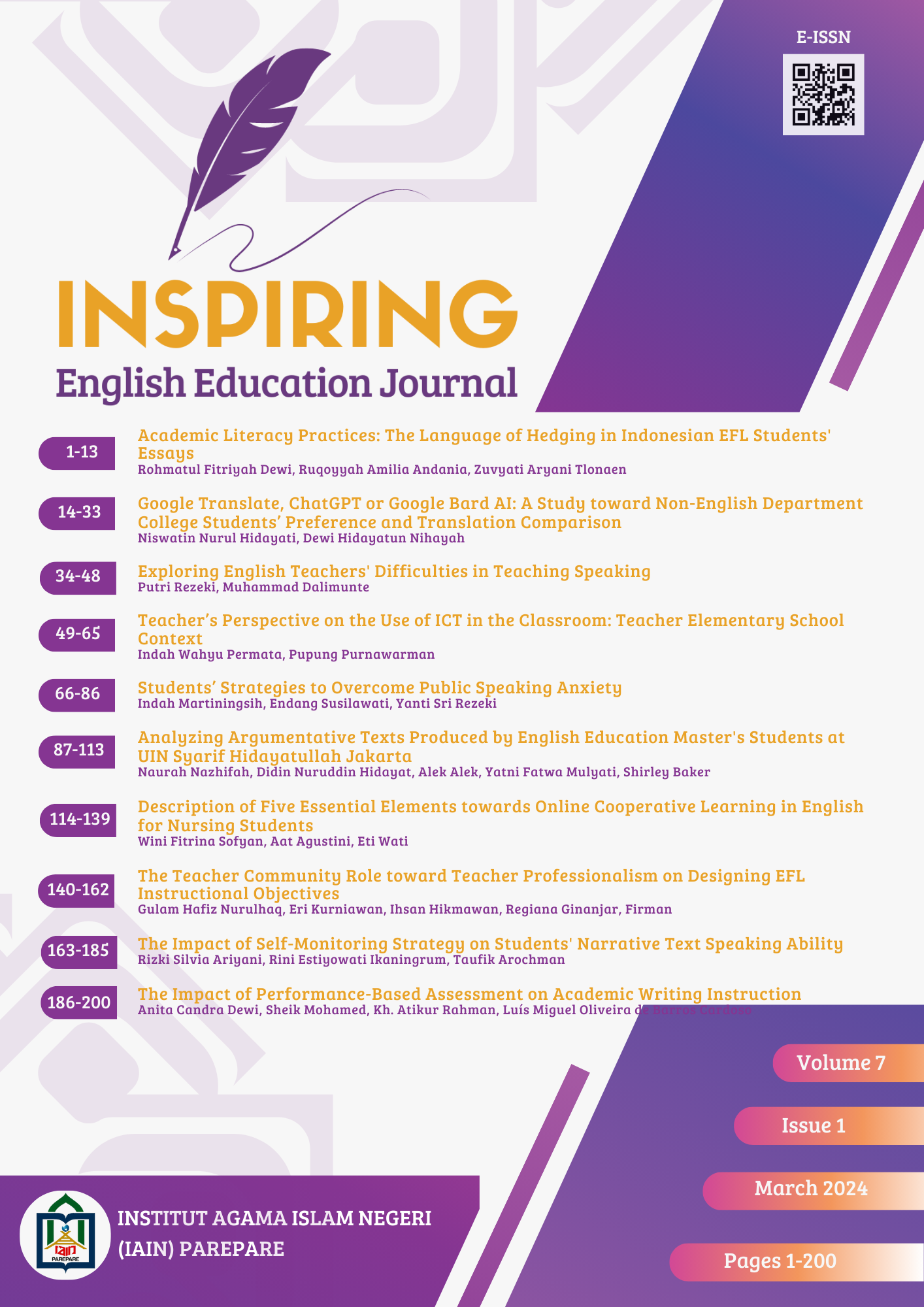
Developing professional competence is always required by the teacher to present meaningful learning experiences to reach the goal. Moreover, the pandemic has changed every side of life, including teaching and learning activities. One of the competencies is designing the instructional objectives, and the teacher community can support their development. This study explores the role of the teacher's community in developing teachers' professional competence in designing the instructional objective in the EFL context. This study uses qualitative methods with questionnaires and interview instruments to collect the data. Two teachers contribute to this study. They come from senior high school teachers. One teacher teaches in a public school, and the other teaches in a private one. The result showed that three types of teachers' communities play a role in respondents' development in teachers' professional competence in designing instructional learning objectives. Besides, they can design the learning objectives; further researchers may conduct follow-up research with a broader subject, complete literature, and more relevant methods to draw generalizations.
Keywords
Article Details
References
- Akhyak, I., & Bakar, A. (2013). Implementation of Teachers Pedagogy Competence to Optimizing Learners Development in Public Primary School in Indonesia. International Journal of Education and Research, 1(9). http://repository.uinsa.ac.id/id/eprint/2051
- Alik, B. M. (2019). The Students’ Perception of The Professional English Teacher at MA PP NURUL HAQ Benteng Lewo Kabupaten Sidrap. Inspiring: English Education Journal, 2(1), 22-35. (Vol. 2). https://doi.org/10.35905/inspiring.v2i1.1263
- Alqiawi, D. A., & Ezzeldin, S. M. (2015). A Suggested Model for Developing and Assessing Competence of Prospective Teachers in Faculties of Education. World Journal of Education, 5(6). https://doi.org/10.5430/wje.v5n6p65
- Borg, S. (2015a). Contemporary Perspective on Continuing Professional Development.Ankara: British Council.
- Borg, S. (Ed.).(2015b). Professional Development for English Language Teachers: Perspectives from Higher Education in Turkey. Ankara: British Council. Retrieved from https://www.teachingenglish.org.uk/article/professional-development-english-language-teacher-perspectives-higher-educationturkey
- Celik, S. (2011). Characteristics and Competencies for Teacher Educators: Addressing The Need for Improved Professional Standards in Turkey. Australian Journal of Teacher Education (Online), 36(4), 18–32. https://search.informit.org/doi/10.3316/ielapa.327012775997141
- Creswell, J. W., & Creswell, J. D. (2017). Research Design: Qualitative, Quantitative, and Mixed Methods Approaches. Sage Publications.
- D’Ardenne, C., Barnes, D. G., Hightower, E. S., Lamason, P. R., Mason, M., Patterson, P. C., Stephens, N., Wilson, C. E., Smith, V. H., & Erickson, K. A. (2013). PLCs in Action: Innovative Teaching for Struggling Grade 3–5 Readers. The Reading Teacher, 67(2), 143–151. https://doi.org/https://doi.org/10.1002/TRTR.1180
- Good, T.L., & Brophy, J.E., (1987). Looking in Classrooms. Harper and Row, Publisher. New York.
- Guskey, T. R. (2000). Evaluating professional development. Corwin press.
- Harden, R. M. (2002). Learning Outcomes and Instructional Objectives: Is There A Difference? Medical Teacher, 24(2), 151–155. https://doi.org/10.1080/0142159022020687
- I-Tech. (2010). I Tech Technical Implementation Guide; Writing Good Learning Objectives. I Tech: International Training & Education Center for Health, https://targethiv.org/sites/default/files/file-upload/resources/TIG%204%20Learning%20Objectives%202010.pdf
- Ibrahim B., (2004). Peningkatan Profesionalisme Guru Sekolah Dasar. Bumi Aksara. Jakarta.
- Johnson, E. B. (2002). Contextual Teaching and Learning: What It Is and Why It’s Here to Stay. Corwin Press.
- Kalsum, K., Sardi, A., & Andini, N. (2023). THE QUALITY OF SUMMATIVE TEST MADE BY EFL TEACHER. Inspiring: English Education Journal, 6(1), 46-57.
- Leinhardt, G., & Smith, D. A. (1985). Expertise in Mathematics Instruction: Subject Matter Knowledge. Journal of Educational Psychology, 77(3), 247. https://doi.org/10.1037/0022-0663.77.3.247
- Lomos, C., Hofman, R. H., & Bosker, R. J. (2011). Professional Communities and Student Achievement – A Meta-Analysis. School Effectiveness and School Improvement, 22(2), 121–148. https://doi.org/10.1080/09243453.2010.550467
- Mak, B., & Pun, S.-H. (2015). Cultivating A Teacher Community of Practice for Sustainable Professional Development: Beyond Planned Efforts. Teachers and Teaching, 21(1), 4–21. https://doi.org/10.1080/13540602.2014.928120
- Nye, B., Konstantopoulos, S., & Hedges, L. V. (2004). How Large Are Teacher Effects? Educational Evaluation and Policy Analysis, 26(3), 237–257. https://doi.org/10.3102/01623737026003237
- O’Dowd, R., & Dooly, M. (2022). Exploring Teachers’ Professional Development Through Participation in Virtual Exchange. ReCALL, 34(1), 21–36. https://doi:10.1017/S0958344021000215
- Osman, D. J., & Warner, J. R. (2020). Measuring Teacher Motivation: The Missing Link Between Professional Development and Practice. Teaching and Teacher Education, 92, 103064. https://doi.org/10.1016/j.tate.2020.103064
- Permendikbud RI, (2003). Peraturan Menteri Pendidikan dan kebudayaan (Permendikbud) Republik Indonesia No 70 Tahun 2013 Tentang Kerangka Dasar dan Struktur Kurikulum Sekolah Menengah Kejuruan/Madrasah Aliyah Kejuruan. Departemen Pendidikan dan Kebudayaan. Jakarta.
- Permendiknas RI, (2007). Peraturan Menteri Pendidikan Nasional (Permendiknas) Republik Indonesia No 16 Tahun 2007 Tentang Standar Kualifikasi Akademik dan Kompetensi Guru. Departemen Pendidikan Nasional. Jakarta.
- Soine, K. M., & Lumpe, A. (2014). Measuring Characteristics of Teacher Professional Development. Teacher Development, 18(3), 303–333. http://dx.doi.org/10.1080/13664530.2014.911775
- Undang-Undang Republik Indonesia Nomor 20 (2003). Tentang Sistem Pendidikan Nasional. Departemen Pendidikan Nasional. Jakarta.
- Vangrieken, K., Meredith, C., Packer, T., & Kyndt, E. (2017). Teacher Communities as A Context for Professional Development: A Systematic Review. Teaching and Teacher Education, 61, 47–59. https://doi.org/10.1016/j.tate.2016.10.001
- Vescio, V., Ross, D., & Adams, A. (2008). A Review of Research on The Impact of Professional Learning Communities on Teaching Practice and Student Learning. Teaching and Teacher Education, 24(1), 80–91. https://doi.org/https://doi.org/10.1002/TRTR.1180
- Wardoyo, C., Herdiani, A., Sulikah. (2017). Teacher Professionalism: Analysis of Professionalism Phases. International Education Studies: Canadian Center of Science and Education, 10(4), https://eric.ed.gov/?id=EJ1138573
References
Akhyak, I., & Bakar, A. (2013). Implementation of Teachers Pedagogy Competence to Optimizing Learners Development in Public Primary School in Indonesia. International Journal of Education and Research, 1(9). http://repository.uinsa.ac.id/id/eprint/2051
Alik, B. M. (2019). The Students’ Perception of The Professional English Teacher at MA PP NURUL HAQ Benteng Lewo Kabupaten Sidrap. Inspiring: English Education Journal, 2(1), 22-35. (Vol. 2). https://doi.org/10.35905/inspiring.v2i1.1263
Alqiawi, D. A., & Ezzeldin, S. M. (2015). A Suggested Model for Developing and Assessing Competence of Prospective Teachers in Faculties of Education. World Journal of Education, 5(6). https://doi.org/10.5430/wje.v5n6p65
Borg, S. (2015a). Contemporary Perspective on Continuing Professional Development.Ankara: British Council.
Borg, S. (Ed.).(2015b). Professional Development for English Language Teachers: Perspectives from Higher Education in Turkey. Ankara: British Council. Retrieved from https://www.teachingenglish.org.uk/article/professional-development-english-language-teacher-perspectives-higher-educationturkey
Celik, S. (2011). Characteristics and Competencies for Teacher Educators: Addressing The Need for Improved Professional Standards in Turkey. Australian Journal of Teacher Education (Online), 36(4), 18–32. https://search.informit.org/doi/10.3316/ielapa.327012775997141
Creswell, J. W., & Creswell, J. D. (2017). Research Design: Qualitative, Quantitative, and Mixed Methods Approaches. Sage Publications.
D’Ardenne, C., Barnes, D. G., Hightower, E. S., Lamason, P. R., Mason, M., Patterson, P. C., Stephens, N., Wilson, C. E., Smith, V. H., & Erickson, K. A. (2013). PLCs in Action: Innovative Teaching for Struggling Grade 3–5 Readers. The Reading Teacher, 67(2), 143–151. https://doi.org/https://doi.org/10.1002/TRTR.1180
Good, T.L., & Brophy, J.E., (1987). Looking in Classrooms. Harper and Row, Publisher. New York.
Guskey, T. R. (2000). Evaluating professional development. Corwin press.
Harden, R. M. (2002). Learning Outcomes and Instructional Objectives: Is There A Difference? Medical Teacher, 24(2), 151–155. https://doi.org/10.1080/0142159022020687
I-Tech. (2010). I Tech Technical Implementation Guide; Writing Good Learning Objectives. I Tech: International Training & Education Center for Health, https://targethiv.org/sites/default/files/file-upload/resources/TIG%204%20Learning%20Objectives%202010.pdf
Ibrahim B., (2004). Peningkatan Profesionalisme Guru Sekolah Dasar. Bumi Aksara. Jakarta.
Johnson, E. B. (2002). Contextual Teaching and Learning: What It Is and Why It’s Here to Stay. Corwin Press.
Kalsum, K., Sardi, A., & Andini, N. (2023). THE QUALITY OF SUMMATIVE TEST MADE BY EFL TEACHER. Inspiring: English Education Journal, 6(1), 46-57.
Leinhardt, G., & Smith, D. A. (1985). Expertise in Mathematics Instruction: Subject Matter Knowledge. Journal of Educational Psychology, 77(3), 247. https://doi.org/10.1037/0022-0663.77.3.247
Lomos, C., Hofman, R. H., & Bosker, R. J. (2011). Professional Communities and Student Achievement – A Meta-Analysis. School Effectiveness and School Improvement, 22(2), 121–148. https://doi.org/10.1080/09243453.2010.550467
Mak, B., & Pun, S.-H. (2015). Cultivating A Teacher Community of Practice for Sustainable Professional Development: Beyond Planned Efforts. Teachers and Teaching, 21(1), 4–21. https://doi.org/10.1080/13540602.2014.928120
Nye, B., Konstantopoulos, S., & Hedges, L. V. (2004). How Large Are Teacher Effects? Educational Evaluation and Policy Analysis, 26(3), 237–257. https://doi.org/10.3102/01623737026003237
O’Dowd, R., & Dooly, M. (2022). Exploring Teachers’ Professional Development Through Participation in Virtual Exchange. ReCALL, 34(1), 21–36. https://doi:10.1017/S0958344021000215
Osman, D. J., & Warner, J. R. (2020). Measuring Teacher Motivation: The Missing Link Between Professional Development and Practice. Teaching and Teacher Education, 92, 103064. https://doi.org/10.1016/j.tate.2020.103064
Permendikbud RI, (2003). Peraturan Menteri Pendidikan dan kebudayaan (Permendikbud) Republik Indonesia No 70 Tahun 2013 Tentang Kerangka Dasar dan Struktur Kurikulum Sekolah Menengah Kejuruan/Madrasah Aliyah Kejuruan. Departemen Pendidikan dan Kebudayaan. Jakarta.
Permendiknas RI, (2007). Peraturan Menteri Pendidikan Nasional (Permendiknas) Republik Indonesia No 16 Tahun 2007 Tentang Standar Kualifikasi Akademik dan Kompetensi Guru. Departemen Pendidikan Nasional. Jakarta.
Soine, K. M., & Lumpe, A. (2014). Measuring Characteristics of Teacher Professional Development. Teacher Development, 18(3), 303–333. http://dx.doi.org/10.1080/13664530.2014.911775
Undang-Undang Republik Indonesia Nomor 20 (2003). Tentang Sistem Pendidikan Nasional. Departemen Pendidikan Nasional. Jakarta.
Vangrieken, K., Meredith, C., Packer, T., & Kyndt, E. (2017). Teacher Communities as A Context for Professional Development: A Systematic Review. Teaching and Teacher Education, 61, 47–59. https://doi.org/10.1016/j.tate.2016.10.001
Vescio, V., Ross, D., & Adams, A. (2008). A Review of Research on The Impact of Professional Learning Communities on Teaching Practice and Student Learning. Teaching and Teacher Education, 24(1), 80–91. https://doi.org/https://doi.org/10.1002/TRTR.1180
Wardoyo, C., Herdiani, A., Sulikah. (2017). Teacher Professionalism: Analysis of Professionalism Phases. International Education Studies: Canadian Center of Science and Education, 10(4), https://eric.ed.gov/?id=EJ1138573